
Why Your Best Consulting Work Isn’t Turning Into Repeat Clients

You deliver strong work. Your clients get results. You care deeply about the quality of what you produce. And yet:
- You pour weeks into a project, deliver something you're proud of, and the client says "that was great" and disappears.
- You hand over a deliverable that represents your best thinking and the client doesn't know what to do with it.
- You start a new engagement and within days the client is telling you they don't know what's going on.
- You're between clients and you've got the service document open again. Moving steps around. Debating the pacing. You feel like something should change but you don't know what it is.
Your effort is real. Your expertise is real. Your delivery is real. But none of it is landing with the client the way you think it should.
I've experienced this myself, and I've helped other consultants through it. The through-line is the same: you're doing excellent work that isn't being valued. Not because the work is bad — but because value as you define it and value as the client defines it are two different things. And when they don't match, good work disappears. That's the gap we close inside this community, and the rest of this post explains how.
The question isn't whether your work is good enough. It's whether your client can feel the value while they're receiving it.
You're Measuring Value From the Wrong Side
Here's what's actually happening. When you evaluate your own service, you measure what you did. Did I deliver what I promised? Was the work high quality? Those are real questions and they matter. But they only measure your side of the experience.
The client is valuing something else entirely. They aren't grading your checklist. They're asking one question: did I get to the outcome I was paying for?
Think about taking your car to a mechanic. Something is wrong. You pull in at 2:00pm, hand over the keys, and wait. The mechanic disappears with your car. An hour passes. You're checking your phone, watching the clock, wondering if anyone remembers you're here. At 3:15 he comes out, wipes his hands, and launches into everything he found. Seventeen systems checked. Three issues identified. He explains what each one does, why it was failing, how the fix restores performance. He's proud of the work. He's thorough. He's still talking. And your car is still in the back.
Now imagine a different mechanic. Same skills. Same diagnostic. Same quality of repair. You pull in at 2:00pm. He greets you, hands you a bottle of water, and makes complete eye contact while he hears your issue. Then he says, "Our diagnostic and repair process takes 45 minutes. As long as there are no major issues, you will be leaving here at 2:45." He asks for your keys, points to the waiting area with a television, and says with a smile, "You'll be out of here before that talk show goes off."
Same repair. Completely different experience. The first mechanic measured his service by what he did. The second mechanic measured his service by how fast he got you back on the road.
That's safe passage. Low-risk, designed passage to the client's preferred outcome.
Most consultants are the first mechanic. The client leaves satisfied with the repair but not with the experience. They won't come back. They won't refer anyone. And the mechanic will never know why.
The Four Patterns That Keep Good Work From Being Fully Valued
These are the blind spots where value breaks in most consulting work. Each one feels normal from your side. None of them feel normal from your client's.
- You start without a map. Your client just paid you. They're ready. And then they wait. They're not sure what happens next, what's expected of them, or how they'll know if it's working. You know the plan. You just never shared it. August Ball case study: A Diversity Consultant Who Blamed Her Clients
- You build from scratch every time. Your client watches you figure out their project in real time. Custom scope, custom timeline, custom everything. They're patient at first. But patience isn't confidence. They're waiting for you to know what you're doing, and your process is telling them you're still deciding. Adam Fairhead case study: "An Agency Owner Who Customized Everything
- You finish without landing. The work is done. Your client isn't sure what they got. Nobody itemized what changed. Nobody celebrated what was accomplished. They leave the engagement the way you leave a restaurant where the food was fine but nobody cleared your plates or brought the check. Elon Lindsay case study: "A Marketing Agency CEO Who Skipped Recaps for a Year"
- You disappear to figure it out. A big opportunity arrives and you take it home to solve alone. Your client offered it as a partnership. They expected a conversation. Instead they get silence, then a proposal built on assumptions about their world that you didn't verify. "You Got the Client. What Should You Charge?"
Your client experiences all four of these as one thing: uncertainty. They're not diagnosing which stage broke. They just know the experience didn't feel like what they were paying for. And by the time you see the problem, they've already decided.
What Safe Passage Actually Looks Like
Think about flying cross-country. It would be shocking if you boarded the plane, sat down, and the pilot came on the intercom and said "we're going to try heading west and see what happens."
Of course there's a flight plan. There are contingencies for weather, for turbulence, for mechanical issues. The pilot has flown this route before. Not this exact flight, but this route, with this equipment, enough times that the variability is accounted for. You arrive because the system was designed for arrival, not because nothing went wrong.
That's the design standard for your service. Three connected stages, each one creating the conditions for the next.
Onboarding: The Pre-Flight Briefing
Before takeoff, you know your destination, your route, and your contingencies. The passengers know where they're going, how long it will take, and what to expect along the way. Nobody is guessing.
Your onboarding works the same way. The client walks in and you welcome them. You're glad they're here. Then you show them the full map: here's where we're going, here's how we get there, here's how long it takes. You hear from everyone involved, what they expect, what they're worried about, what they need this engagement to produce. You name the turbulence in advance: here's where things typically get bumpy, and here's what we do when that happens. And you define what landing looks like in terms both parties can point to. Not vague satisfaction. A specific capability, a specific metric, a specific situation they'll be able to navigate that they can't navigate today.
Client Story
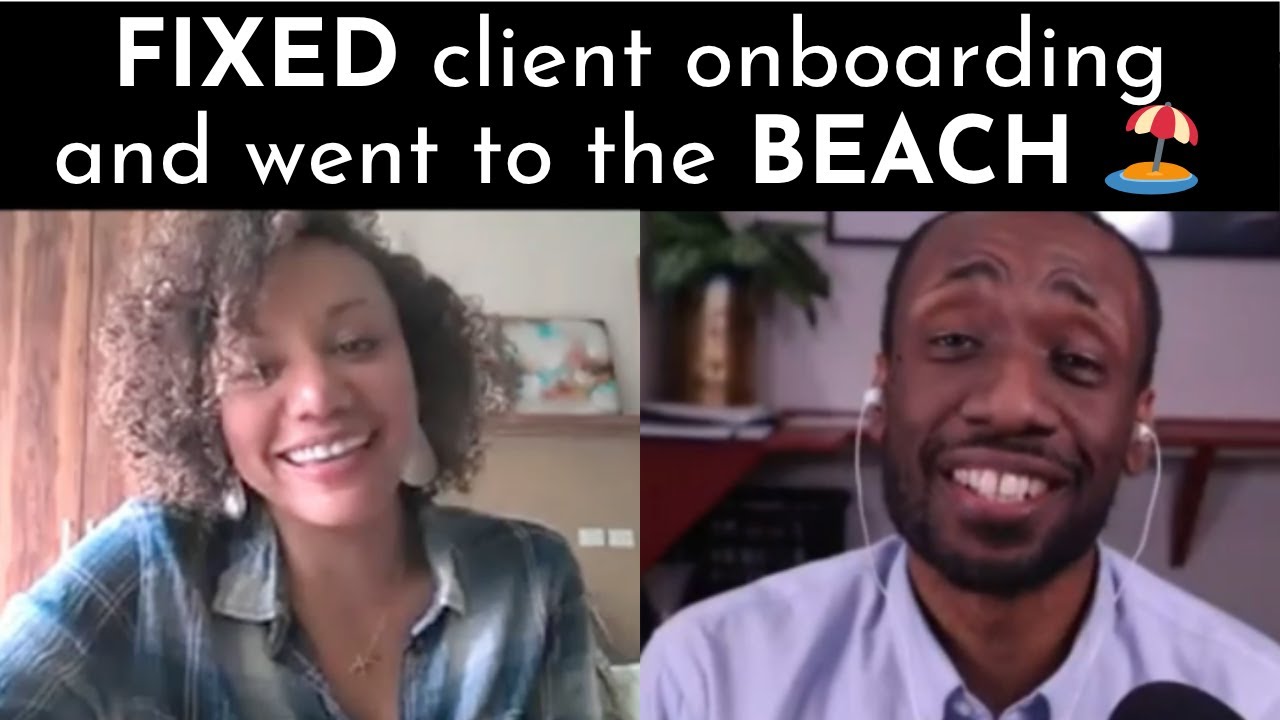
August Ball — Leadership and Diversity Consultant
Delivery: Cruising Altitude
Once the plane is in the air, the pilot isn't inventing the route. The flight plan is set. The instruments are calibrated. Small adjustments may happen in real time, but the destination doesn't change and the process doesn't restart with every new weather pattern.
Your delivery works the same way. If you've found your best work and you're replicating it, you already have a flight plan. The route exists. When a client introduces something new, you're making a small course correction, not redesigning the aircraft mid-flight. The problem starts when consultants take every new request as a reason to rebuild the whole thing from scratch.
Client Story
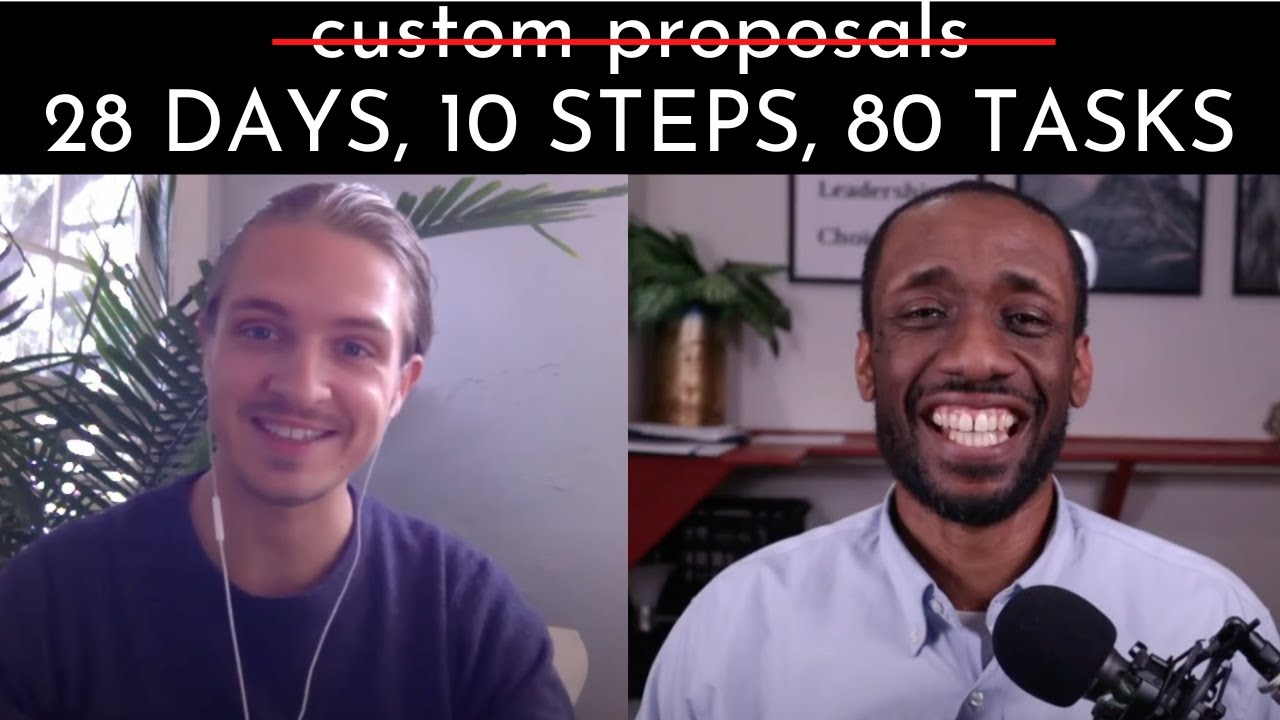
Adam Fairhead — Creative Agency Owner
Recap: Landing and Arrival
The plane touches down. The passengers are at their destination. But the flight isn't over until everyone has deplaned, collected their bags, and walked into the terminal. Landing is not arrival. The final steps matter as much as the flight itself.
Your recap is the same. The work is done, but the engagement isn't finished until everyone who was present at the beginning is present at the end. You go person by person: you were concerned about this, and we resolved it. You wanted this, and we achieved it. I promised these things, and here they are. Here's the metric that changed. We can see it together.
That's not a report of what you did. It's a celebration of what you accomplished together. You took the client somewhere they couldn't get on their own. And when clients can see the evidence of where they've arrived, the momentum to continue is natural. They introduce the next thing they want to do. The final question of the recap, "would you like to continue?", opens the door to the long-term relationship.
The recap is also where you capture the case study. That celebration moment, when the client names what changed and what they valued, those are proof points. Whether captured through a form, a video, or just noting what they say in the moment, the proof gets documented here or it doesn't get documented at all. Read more about what happens when all your proof is from work you're trying to leave behind →
Client Story
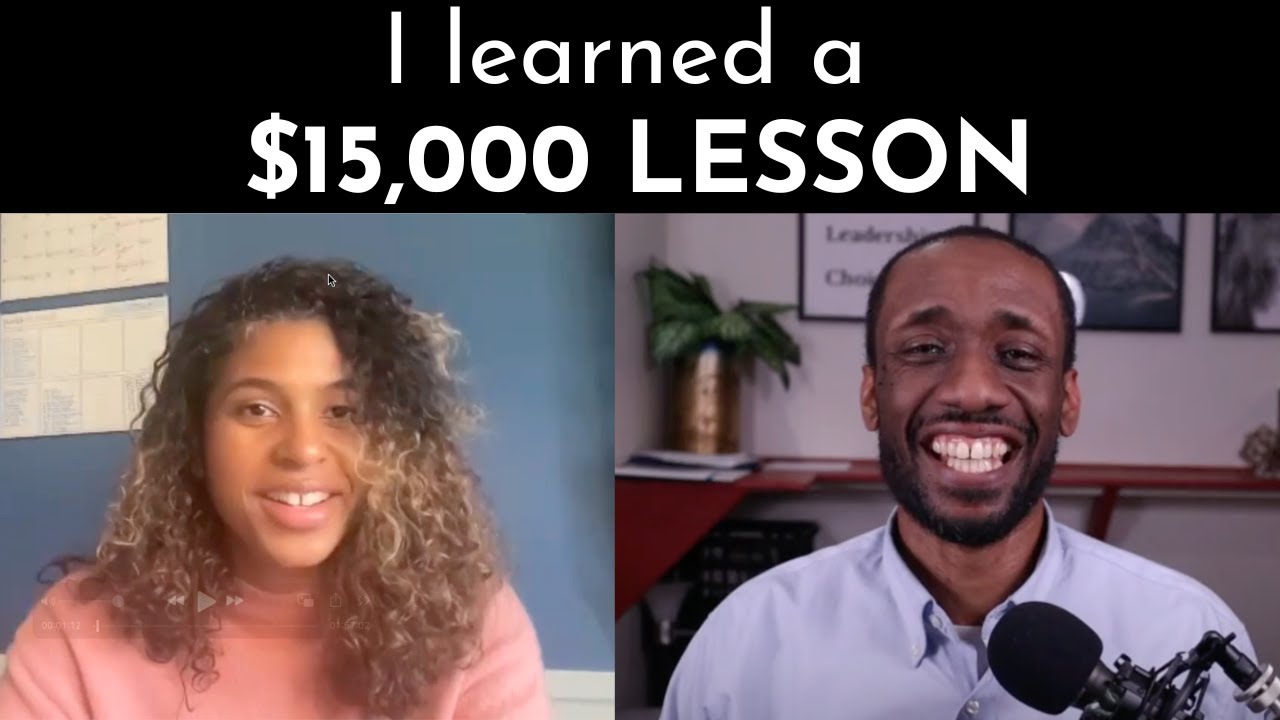
Elon Lindsay — Marketing Agency Owner
What Breaks Down When You Try This Alone
Safe passage sounds straightforward when you read about it. Building it is harder because the gaps in your service are almost never where you think they are. The fix is usually one step earlier than the problem you're staring at. And you can't see that from inside your own business.
- A scaling opportunity arrives and instead of celebrating, you're staring at everything that isn't built yet. You don't know if that's a real problem or the normal discomfort of doing something you've never done before.
- You know the transformation takes years but the client needs something they can commit to in thirty days. You don't know if you're being accurate or just intimidating. Read more →
- You're rebuilding your service and one day you see the vision clearly, the next day you question everything. You don't know if the doubt is a signal or just the cost of growing. Read more →
Each of these moments has a specific cause and a specific fix. But you can't find either one alone because you're too close to the experience. Your clients hire you for exactly this reason: they can't see what you see. This is the same dynamic, pointed at your service instead of theirs.
How Client Service Connects to Everything Else
Client service doesn't exist in isolation. It's the third movement in a larger system.
Before you can serve a client, you need to know what work you want to repeat and who you do it for. The case study that powered your marketing, the language that attracted the right person, the conversation that ended in a decision: all of that gets tested the moment the engagement begins. What was language in acquisition becomes process in service.
After you serve, the relationship either deepens or ends. The client who received safe passage, who was onboarded with a full map, served through a defined process, and given a celebration of their results, doesn't need to be convinced to continue. What was process in service becomes relationship in retention [Link to Pillar 4: Client Retention].
The case study is the thread that connects all four pillars. It starts as a choice to focus on your best work. It becomes language. It becomes process. It becomes relationship. When service feels hard, it's almost always because the case study hasn't been carried clearly enough from the earlier stages into how you actually deliver.
Frequently Asked Questions
What if I want to pivot but all my proof is from the old direction?
There's almost always overlap between where you've been and where you're headed. Start there. Your old proof isn't a trap. It's the bridge. Be precise about what part of your past work fits the new direction, and build around that overlap. The new business grows out of it.
What can I promise clients in the first thirty days?
As much momentum toward their preferred outcome as your process allows. Once you're clear on your best work in terms of steps, you can promise how many of those steps get completed in the first thirty days. You're not promising the full transformation. You're saying: here's how far we'll get in the first month. Do you want to begin?
How do I document results when I'm already onto the next project?
Pick up the phone. Even if the last engagement ended thirty days ago, you can call and say: we didn't do a formal recap and I want to take the opportunity now. That one conversation gives you everything you need to document your results. The project isn't finished until the recap is done.
My client can't tell me what success looks like. How do I start the engagement?
Help them see it. They may not have the vocabulary because they've never been where you're taking them. Give them examples of past outcomes you've created and let them choose: do you want version A, version B, or something else? Your job is to translate their vague sense of what they want into something both of you can point to.
I quoted a number and then immediately wanted to change it. Why does that keep happening?
Because the scope wasn't settled before the price was. When you understand the problem fully before you quote, the number holds. When you're guessing at scope, the price will shift every time someone asks a question.
Find Your Best Work.
You've done the work. You've gotten the results. You just haven't had a way to organize what you know so it's ready when the moment arrives.
Let's fix that together. It starts with one conversation.

Alzay Calhoun
Alzay Calhoun believes that consultants don't need more tactics — they need a place to think. For 13+ years, he's helped experts earning $100K–$500K find their best work and build systems around it. "The frameworks behind Coveted Consultant were built from real client work. They're documented across 505 YouTube videos, 25+ case studies, and an ongoing coaching practice.